
Choosing a uniform
A judogi consists of a jacket, trousers, and belt (obi). Start with a white gi: it is more widely accepted across clubs and settings, and you can always add a blue one later.
A good beginner option is the Fuji Single Weave Judo Gi, available from Fuji Sports or Amazon. Follow the model’s size chart carefully and allow for the manufacturer’s shrinkage guidance, as the gi may shrink during its first washes. Ask for help if you are between sizes.
If you choose another model or brand, make sure you are buying a judo gi, rather than a jiu-jitsu or karate gi: their construction and fit differ. Karate and taekwondo uniforms are usually too light for judo’s repeated gripping and pulling. Although BJJ gis are permitted at Kokoro, their closer fit can make gripping harder; choose a purpose-made judogi when buying your own.
Consider an IJF-approved judogi as you progress, particularly if you plan to enter events that require approved equipment. Check the event requirements before buying.
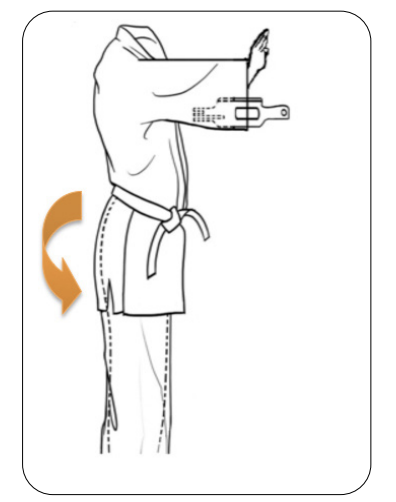
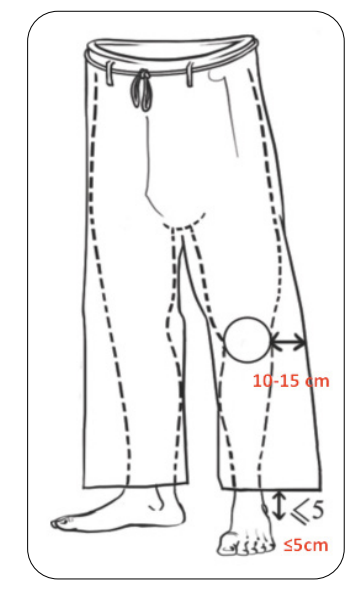
Wearing it
Wear the jacket with the left side over the right, secure the trousers, and tie the belt firmly with a flat knot. Retie it when loose. Learn to fold the judogi neatly for storage and transport, and let it dry fully before putting it away.
For ordinary club practice, a T-shirt is optional for male judoka and required for female judoka. Competition clothing is a separate matter: female athletes wear a white, short-sleeved, round-necked T-shirt under IJF rules. In general, T-shirt is not allowed in competition for male judoka, subject to provisions conditions and exceptions; check the event’s current rules before competing.
See How to tie your belt in Glossary & resources.
Washing and storage
- Wash the judogi regularly, ideally after each practice, in cold or warm water as permitted by its care label. Use detergent and follow the manufacturer’s instructions. Avoid hot washes, which can increase shrinkage.
- Oxygen-based stain removers such as OxiClean can be useful alongside detergent for removing stains from judogi. White vinegar can also be another way to help remove odors.
- Avoid chlorine bleach as a general rule.
- Do not use the dryer. Air-dry thoroughly and follow the manufacturer’s directions to limit shrinkage and fabric damage.
- Wash white and blue judogi separately where color may bleed.
- Do not leave a damp uniform in a closed bag. Keep your belt and other practice clothing clean too.